US–China Tariff Pause Supports Commodity Prices, But Only for One Year
Overview
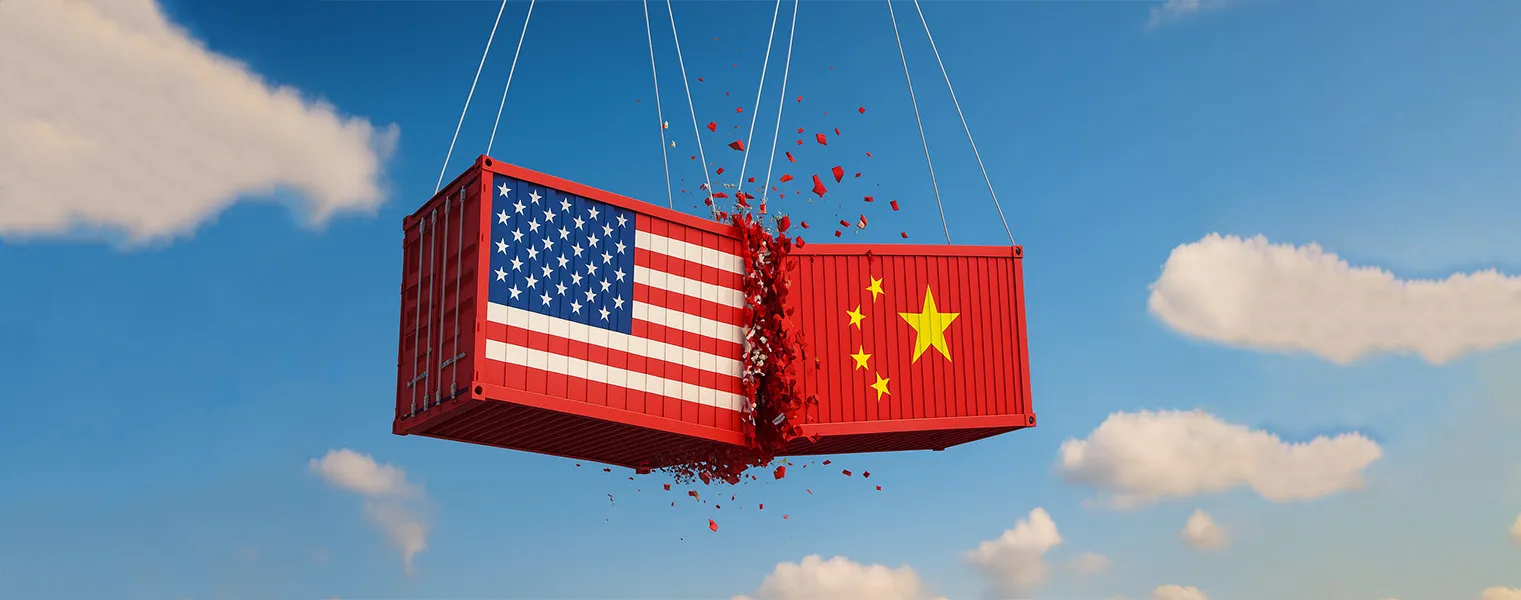
The new one-year trade truce between the United States and China is easing pressure on global agricultural markets. Both sides will suspend extra port surcharges and roll back retaliatory tariffs that disrupted trade flows since 2018. The move improves US export competitiveness immediately—especially for soybeans, vegetable oils, and other bulk farm goods. But the agreement is temporary, and long-term uncertainty remains.
1. US Farm Exports Gain Fresh Access to China
Simple Key Points
-
China removed additional tariffs on key US farm goods, including soybeans and vegetable oils.
-
Some of these tariffs were as high as 24%.
-
Shipping costs and route predictability have improved.
-
US exporters regain a price advantage they have not had since before the trade war.
Simple Impact
More US agricultural goods can move into China at lower cost, supporting export volumes.
2. Global Commodity Prices Get Temporary Support
Simple Key Points
-
Better US access to China may steady global prices for soy, maize, and vegetable oils.
-
Feed prices in Europe may ease, helping livestock and dairy producers.
-
Lower shipping costs reduce volatility across several bulk commodity markets.
Simple Impact
Price stability improves in the short term across feed-grade and edible-oil commodities.
3. Brazil and Argentina Face More Competition
Simple Key Points
-
South American exporters now compete directly with US products returning to China.
-
They may need to lower prices to protect market share.
-
Extra volumes from Brazil and Argentina could shift toward Europe or Middle Eastern buyers.
Simple Impact
Trade flows may adjust, with more South American product entering alternative markets.
4. Europe Sees Mixed Effects
Simple Key Points
-
Risk of being pulled into tariff disputes decreases—for now.
-
But renewed US supply in China increases competition for European exporters globally.
-
Lower feed costs help Europe’s poultry, dairy, and livestock sectors.
Simple Impact
Short-term benefit, but long-term competitive pressure remains.
5. One-Year Limit Creates Long-Term Uncertainty
Simple Key Points
-
The truce expires in November 2026.
-
All tariffs can return instantly under the “snap-back” clause.
-
Strategic tensions between the US and China remain unresolved.
Simple Impact
The market gains short-term relief but must prepare for possible volatility later in 2026.
Market Outcome / Impact for Traders (Simple)
-
Short-term price stability for soy, maize, and vegetable oils.
-
US exporters regain access to China and may increase shipments.
-
South American exporters may redirect volumes, influencing prices in Europe and the Middle East.
-
Traders should plan for potential tariff changes again in late 2026.