Middle East Shipping Expands Fast as New Port Projects, Suez Reopening Steps, and Regional Carrier Growth Strengthen Commodity Trade Routes
Overview
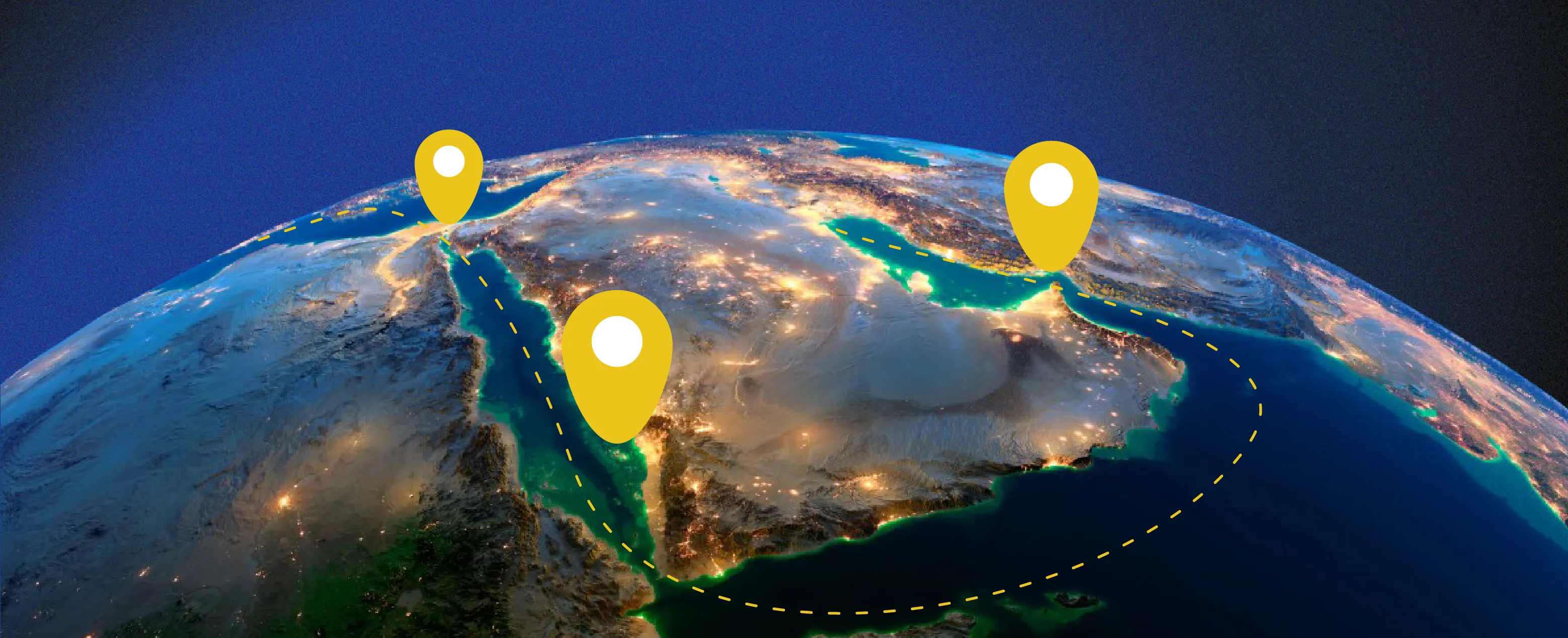
The Middle East is entering a major maritime growth phase. Strong national strategies, new shipping services, port expansions, and easing Red Sea disruptions are reshaping how commodities move between Asia, Africa, Europe, and the Gulf. The UAE, Saudi Arabia, and Oman are investing heavily in fleets, terminals, and logistics infrastructure, positioning the region as a core gateway for global trade.
1. Middle East Maritime Growth: Capital, Strategy, and Logistics Expansion
Simple Key Points
-
The UAE, Saudi Arabia, Oman, and Qatar are building modern, data-driven maritime sectors.
-
Companies like Al Seer Marine, Asyad, Bahri, and SPM Shipping are expanding fleets and strengthening regional logistics roles.
-
Fast decision-making and strong government support enable quick investment cycles.
-
Talent development is growing: Oman and Saudi Arabia are training new seafarers, including cadets and female officers.
-
The UAE continues to attract global maritime talent and benefits from advanced port infrastructure, including Abu Dhabi’s rapid growth.
Simple Impact
The region is becoming a major commodity trade hub, not just an energy exporter.
2. Commodity Trade Routes Grow as New Services Connect the Middle East to Global Markets
Simple Key Points
-
MSC launched a new service linking South America to the Middle East, with Abu Dhabi as the main hub.
-
The route is designed for fast movement of agri-commodities and refrigerated goods.
-
Transit times:
-
33 days to Abu Dhabi
-
38 days to Shuwaikh
-
39 days to Hamad Port
-
The rotation connects Brazil, Argentina, West Africa, the Gulf, and major Asian ports.
Simple Impact
Abu Dhabi’s role in commodity transshipment is growing sharply, offering faster delivery to Gulf buyers and stronger links to Latin American suppliers.
3. Saudi Arabia Expands Red Sea Capacity: Jeddah Terminal 4 Project
Simple Key Points
-
CMA CGM and Red Sea Gateway Terminal signed a deal for Terminal 4 at Jeddah Islamic Port.
-
Capacity: 2.6 million TEU, part of a larger plan to reach 8.8 million TEU.
-
Focus on digital operations, modern equipment, and customer-centric services.
-
Supports Saudi Vision 2030 by building a regional logistics hub.
Simple Impact
Jeddah is becoming one of the strongest commodity flow gateways on the Red Sea, improving GCC–Africa–Asia trade links.
4. Suez Canal Begins Its Path to Recovery
Simple Key Points
-
The Suez Canal Authority invited carriers to conduct trial voyages after the halt in Red Sea attacks.
-
CMA CGM has already restarted selective eastbound transits.
-
MSC is preparing to resume some southbound moves into Asia.
-
October saw 229 ships return to the canal.
-
A full return could free up 130 ships (5.9% of global capacity).
Simple Impact
Commodity shipments from Asia to Europe—and vice versa—may speed up again if more carriers return to the shorter Suez route.
5. India Launches Its Own Container Line (BCL), Adding New Regional Competition
Simple Key Points
-
India launched Bharat Container Shipping Line (BCL) with $6.9 billion in investment.
-
Starting fleet: 51 ships, target: 100+.
-
Will serve Asia, West Asia, and the Red Sea first, later expanding to Europe and the US.
-
Aim: reduce reliance on foreign carriers, stabilize freight costs, and improve export capacity.
Simple Impact
More regional capacity may support smoother commodity shipments between India and Gulf markets.
6. China Modernizes Maritime Law for Digital and Green Shipping
Simple Key Points
-
New Maritime Law effective May 2026.
-
Introduces digital documents and electronic transport records.
-
Adds a full chapter on ship oil-pollution liability.
-
Aligns domestic and international shipping rules.
-
Designed to protect both Chinese and foreign maritime stakeholders.
Simple Impact
Better digitalization and clearer rules may improve documentation and dispute handling for commodity shipments.
7. Fleet Tightness Continues in the Tanker Segment (Where Applicable)
Simple Key Points
-
Even though crude was mentioned, the article’s core message applies to shipping cycles:
fleet growth remains very limited.
-
Older vessels are slowly exiting the market, reducing effective supply.
-
Long-haul cargo flows continue to benefit vessel demand.
Simple Impact
Tight vessel availability supports stronger freight markets across multiple segments, including dry bulk and container repositioning that affect commodity trade.
Market Outlook for Maritime & Commodity Traders (Next 3–6 Months)
What to Watch
-
Growth of Middle Eastern ports (Abu Dhabi, Jeddah) as new trade hubs.
-
More carriers testing the Suez Canal route.
-
New container and multipurpose services entering Gulf markets.
-
Capacity growth from India’s BCL and regional fleet expansions.
-
Commodity flows between Latin America → Gulf → Asia gaining speed.
-
Possible rate volatility if global capacity increases faster than demand.
Overall, the Middle East’s maritime sector is becoming a central engine for global commodity movement, supported by large investments, modern port infrastructure, and improving shipping conditions across the region.