
This article breaks down the most common trader mistakes that lead to major losses, explains why they happen, and shows how data-driven traders protect themselves in today’s global trade environment.
3 months ago
Commodity trading offers real opportunities for profit, but it is also one of the fastest ways to lose money if decisions are made incorrectly. Every year, traders across global markets lose millions of dollars not because prices move against them, but because of avoidable mistakes in decision-making, risk management, and market understanding.
In volatile commodity markets, one wrong decision can erase months of profit. And most losses follow the same patterns again and again.
This article breaks down the most common trader mistakes that lead to major losses, explains why they happen, and shows how data-driven traders protect themselves in today’s global trade environment.
Unlike traditional retail or long-term investing, commodity trading operates in an environment shaped by:
- Rapid price fluctuations
- Global supply and demand shocks
- Geopolitical events
- Weather disruptions
- Shipping delays and port congestion
- Currency movements
Because of this complexity, emotional or uninformed decisions are punished quickly. Markets don’t care about intentions — only execution.
Why Emotions Destroy Trading Results
One of the most damaging mistakes traders make is allowing emotions to dictate decisions instead of data and strategy.
Emotional trading usually shows up in four forms:
1. Fear of Missing Out (FOMO)
Traders see prices rising and rush into deals too late, buying near the peak instead of at value levels.
Result:
- Overpaying for cargo
- Reduced margins
- Higher downside risk
2. Greed
Greed pushes traders to:
- Increase position size beyond safe limits
- Ignore warning signs
- Hold positions longer than planned
Result:
- One bad move wipes out multiple good trades
3. Overconfidence After a Win
After a successful deal, traders may believe they “can’t lose” — leading to relaxed discipline and poor risk control.
Result:
- Larger, riskier trades
- Ignoring market signals
- Sudden heavy losses
4. Revenge Trading
Trying to “win back” losses by jumping into another trade without analysis is one of the fastest ways to destroy capital.
Markets don’t reward urgency — they punish it.
Why Gut Feeling Is Not a Strategy
Another major reason traders lose money is lack of proper research. Many decisions are based on:
- Incomplete information
- Word-of-mouth tips
- Outdated pricing
- Assumptions instead of facts
Commodity markets are influenced by multiple global variables, and ignoring them leads to costly mistakes.
Successful traders monitor more than just price. They understand the full market context, including:
1. Global Supply & Demand
- Crop yields
- Harvest volumes
- Inventory levels
- Production disruptions
A surplus in one region or shortage in another can shift prices quickly.
2. Geopolitical Risks
- Trade sanctions
- Export restrictions
- Conflicts near shipping routes
- Policy changes
These events can impact availability, insurance costs, and shipping timelines overnight.
3. Weather Disruptions
Droughts, floods, and extreme temperatures directly affect:
- Crop quality
- Harvest size
- Delivery schedules
Weather is one of the most underestimated risk factors in agri-commodity trading.
4. Logistics & Port Conditions
- Port congestion
- Demurrage and detention costs
Container shortages
- Route disruptions
Even a profitable trade can turn into a loss if logistics are not factored in.
Many traders focus only on potential profit and ignore downside protection.
Common risk management mistakes include:
- No predefined exit strategy
- No maximum loss limits
- Overexposure to a single commodity or route
- Ignoring timing risk
In commodity trading, survival matters more than one big win. Traders who last are traders who control risk first.
Not all commodities are profitable at all times.
Some traders lose money because they:
- Buy popular products at peak prices
- Ignore seasonal cycles
- Trade overcrowded markets with low margins
- Miss better alternatives with higher risk-adjusted returns
Smart traders focus on selective opportunities, not everything available.
When mistakes combine — emotional decisions + poor research + bad timing — losses grow fast due to:
- Demurrage and detention fees
- Storage costs
- Price drops during delays
- Missed resale opportunities
- Capital being locked too long
This is why traders often say:
“The deal looked good on paper, but everything went wrong.”
Experienced commodity traders don’t rely on instinct alone. They use:
- Market intelligence
- Data-driven insights
- Timing strategies
- Selective product focus
Scenario planning
Most importantly, they separate emotions from execution.
In today’s trade environment, information advantage = profit advantage.
Knowing:
- When to buy
- What to buy
- Where to sell
- Which cargos make sense
can be the difference between a controlled profit and an unexpected loss.
MOMEX is built for traders who want clarity instead of guesswork.
Through MOMEX Insights, traders gain access to:
- Selective product opportunities
- Market-driven timing signals
- Trade-focused intelligence (not noise)
- Real-world expertise based on actual cargo movement
This allows traders to:
- Reduce emotional decision-making
- Avoid poorly timed trades
- Focus only on products that make sense
- Trade with confidence instead of stress
Rather than reacting to markets, MOMEX users prepare for them.
Commodity markets will always be volatile — but losses don’t have to be inevitable.
Most major losses are caused by:
- Emotional trading
- Insufficient research
- Poor timing
- Lack of risk discipline
Traders who invest in insight, preparation, and selective decision-making consistently outperform those who chase every opportunity.
In commodity trading, the goal is not to trade more — it’s to trade smarter.
With the right intelligence, timing, and product selection, traders can:
- Protect capital
- Reduce stress
- Improve consistency
- Build sustainable profitability
And that’s exactly where MOMEX Insights fits in.
Want smarter trade decisions?
Explore MOMEX Insights and trade based on data, expertise, and real market understanding, not emotions.
This article breaks down the most common trader mistakes that lead to major losses, explains why they happen, and shows how data-driven traders protect themselves in today’s global trade environment.
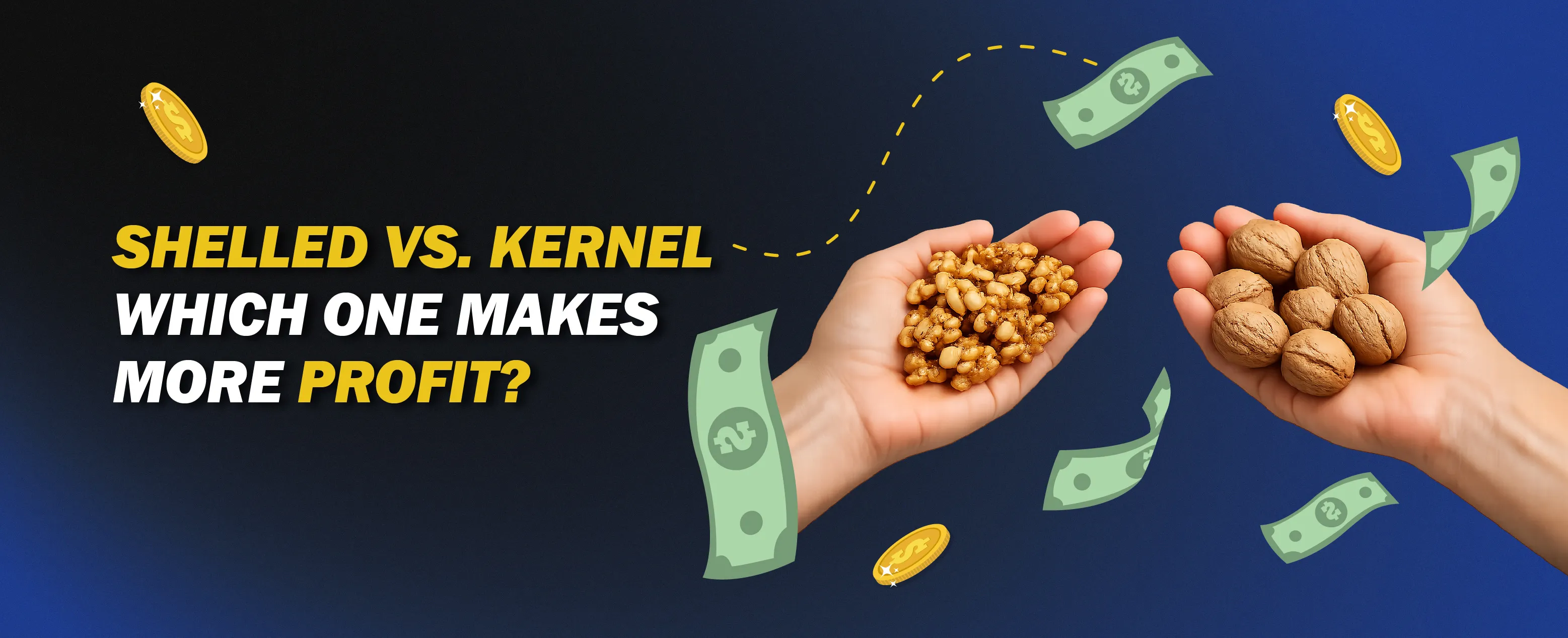
2025 is shaping up to be a pivotal year for the walnut trade. With the global market valued at approximately $8.5 billion, traders and exporters are asking a key question: Which format — shelled kernels or in-shell walnuts — brings higher profit? This article explains the economic dynamics, price dr
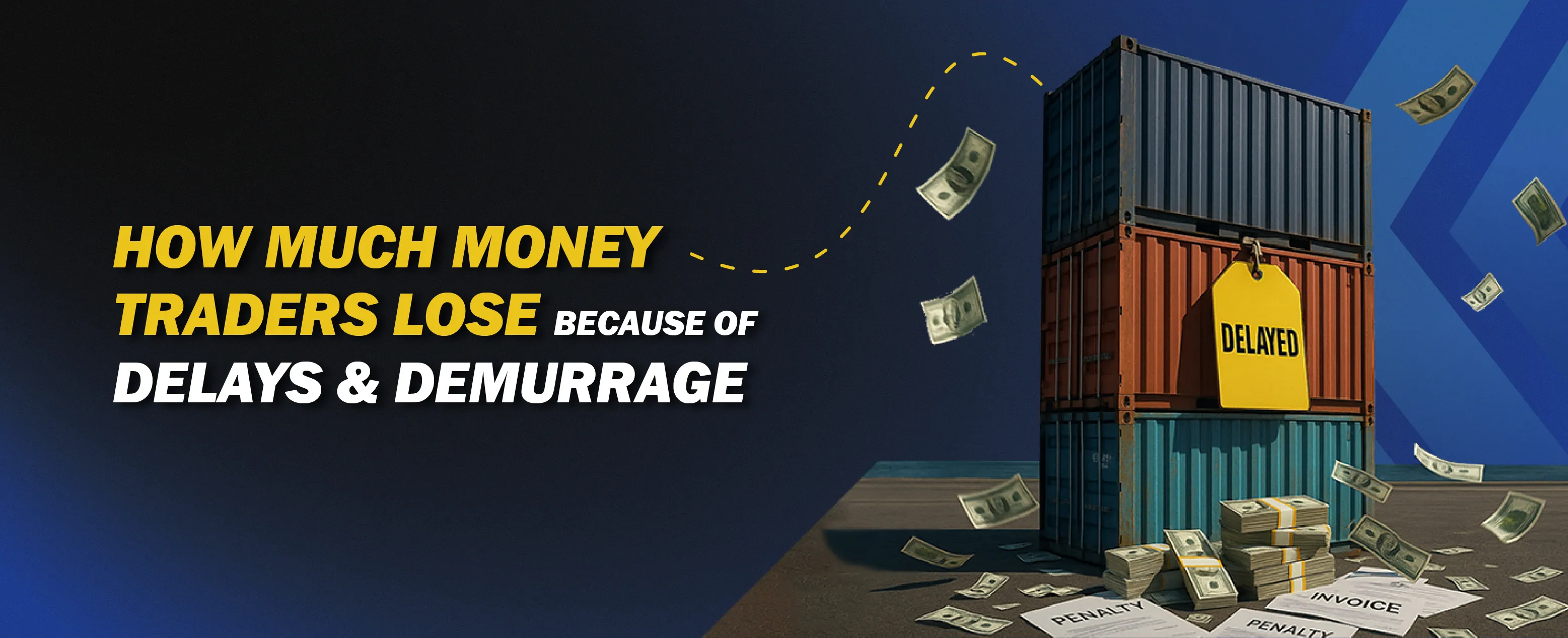
Demurrage and detention fees have become one of the biggest hidden costs in global shipping. Whether you trade nuts, spices, seeds, machinery, or consumer goods, D&D charges can quietly destroy your profit margin before your cargo even leaves the port.
The global nut industry is growing rapidly, but competition is also getting tougher. To succeed, exporters and traders need more than just high-quality products, they need a clear understanding of markets, strong logistics, and strategic planning.
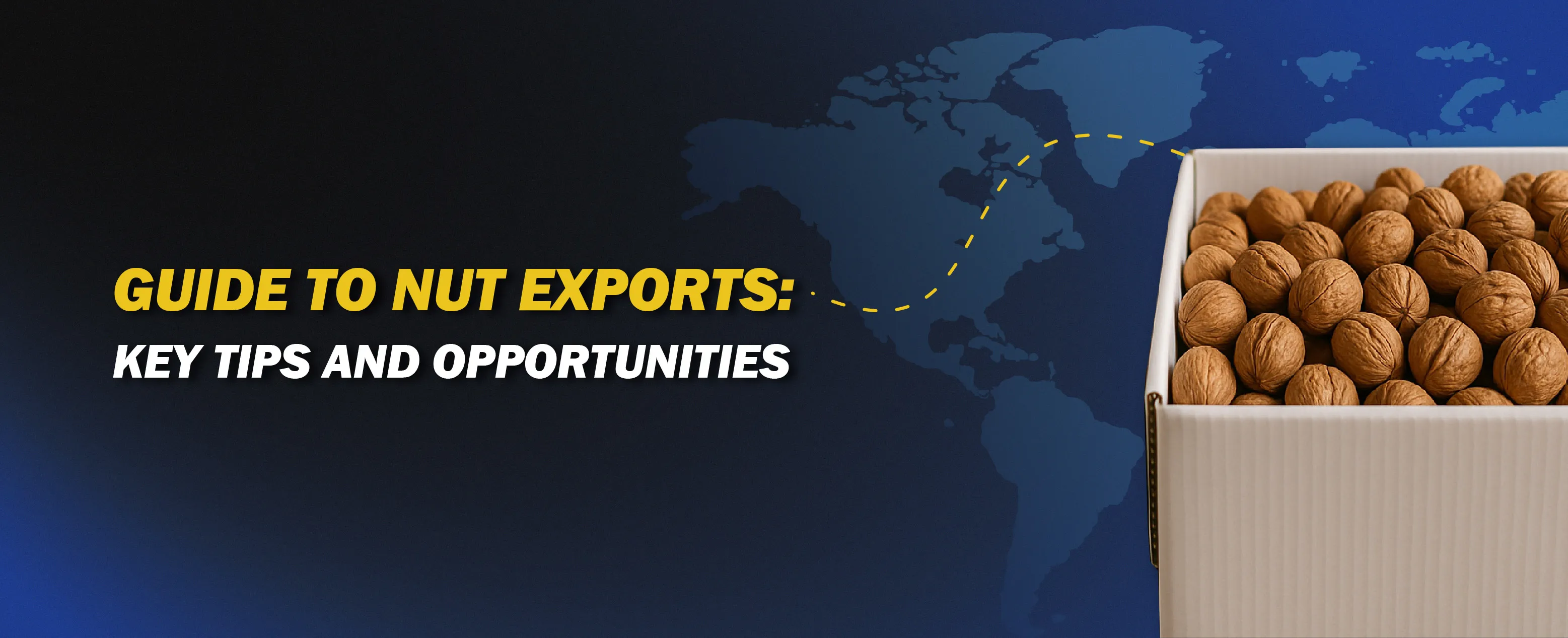
Nut exports are one of the most dynamic sectors in the global market. Products like almonds, walnuts, and lentils have high demand internationally, and exporters with the right strategy can secure a significant share of these markets.
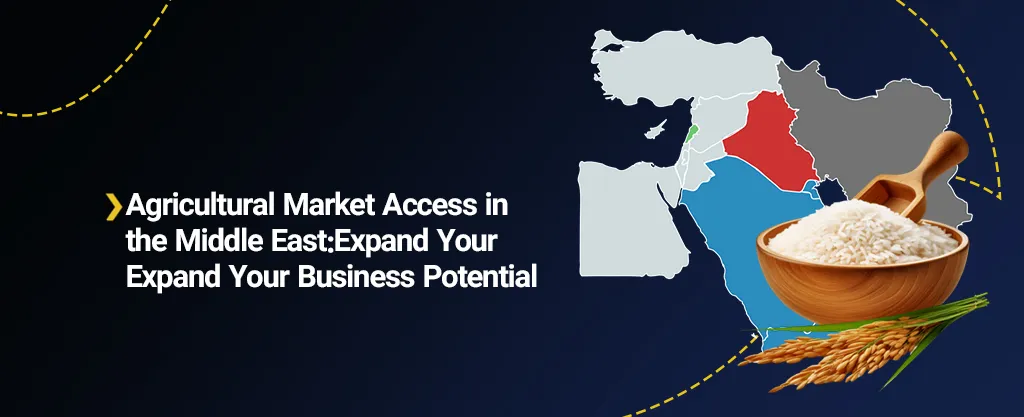
The Middle East and North Africa (MENA) region has more than 578 million inhabitants and relies heavily on foods that are not produced within the area.
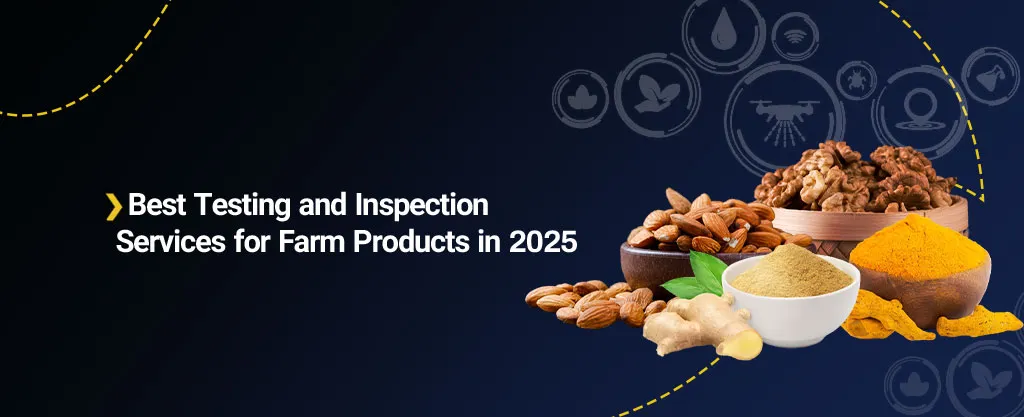
Discover the top agricultural inspection services in 2025, ensuring safety, freshness, and compliance with global standards for farm exports, including Momex's innovative solutions.
In a modern, connected world, international trade is evolving in new digital concepts.

People increasingly desire food and nuts globally as they are concerned with their health, such as plant-based foods, and consume various foods from various locations.
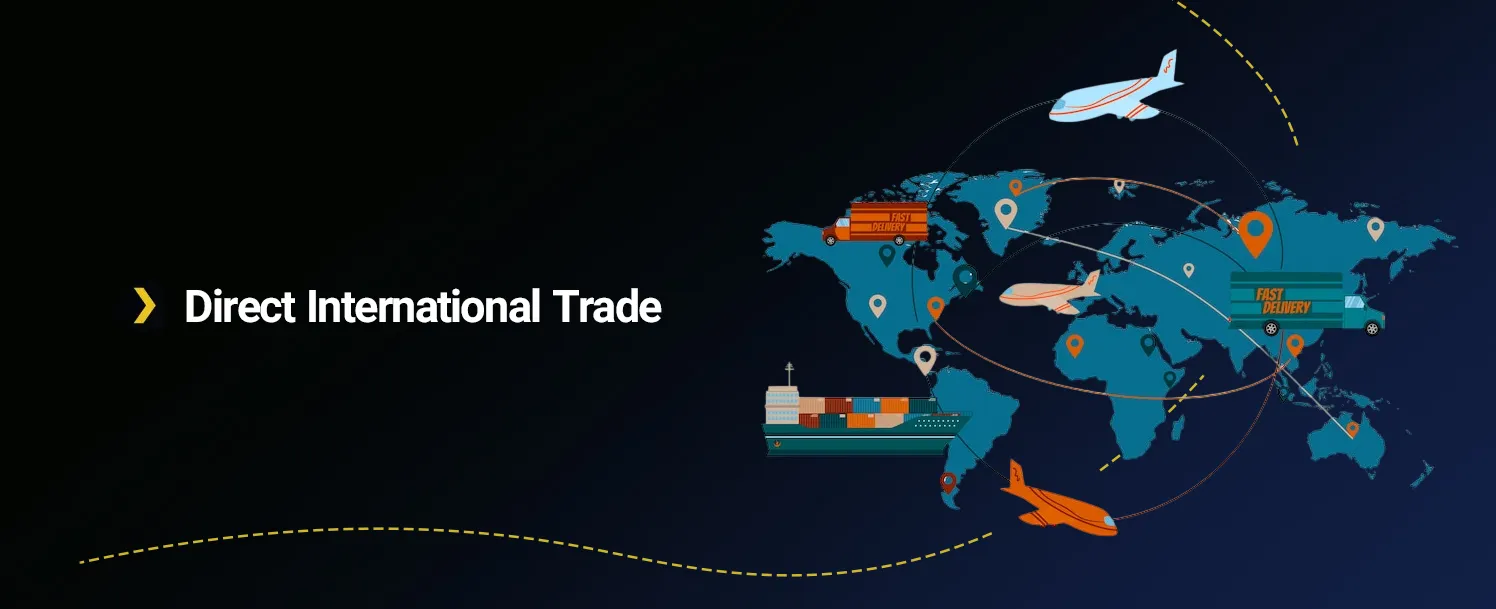
Discover how companies can boost revenue and reduce costs through direct international trade. Learn the pros, cons, and how online platforms simplify global B2B connections.