
This article breaks down the most common trader mistakes that lead to major losses, explains why they happen, and shows how data-driven traders protect themselves in today’s global trade environment.
2 months, 1 week ago
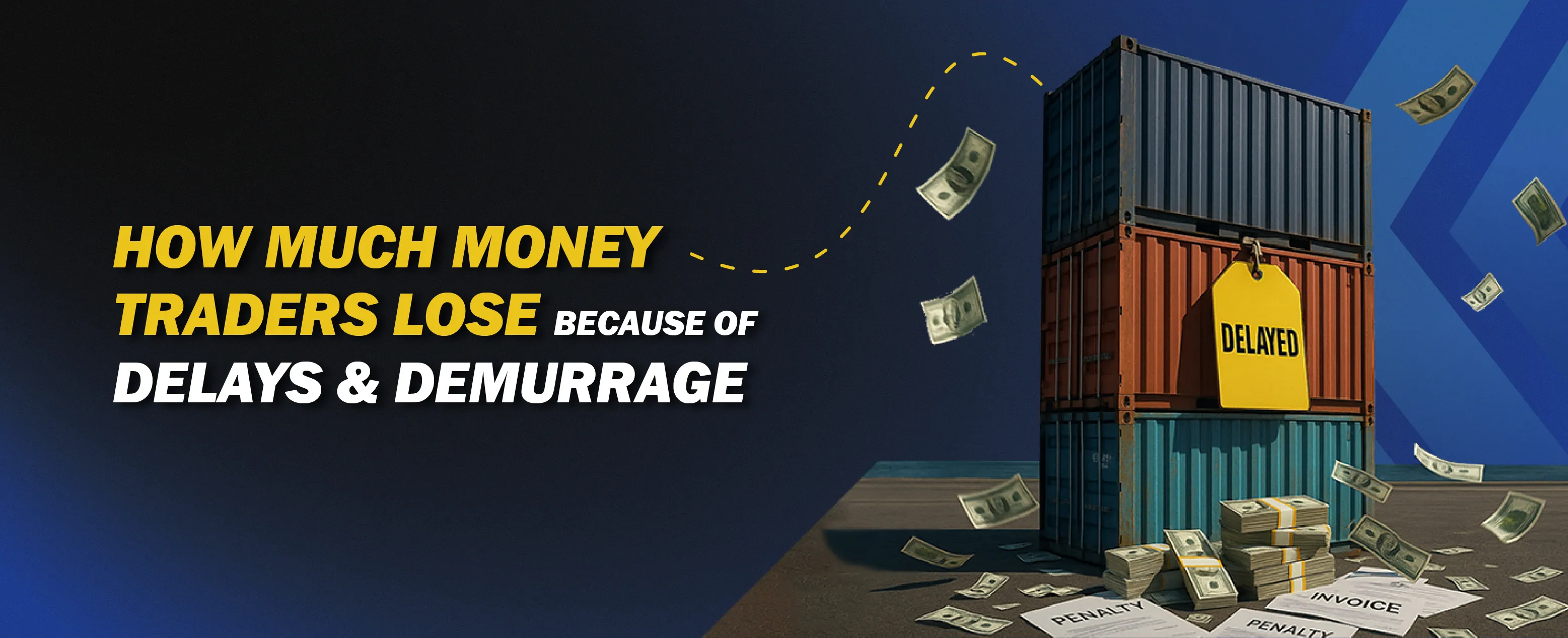
Demurrage and detention fees have become one of the biggest hidden costs in global shipping. Whether you trade nuts, spices, seeds, machinery, or consumer goods, D&D charges can quietly destroy your profit margin before your cargo even leaves the port.
Across the global maritime supply chain, delays cost economies more than $14 billion annually, and a huge portion of that comes directly from demurrage penalties paid by traders and freight forwarders. For companies operating through major regional hubs such as Dubai, Jebel Ali, Abu Dhabi, Dammam, Jeddah, and Sohar, understanding these fees is no longer optional — it’s essential.
This guide breaks down everything you need to know about D&D charges, why they occur, which ports are most expensive, and how to avoid them entirely.
Demurrage Fee
A fee charged when a full container stays inside the port terminal beyond the allowed free time.
Detention Fee
A fee charged when an empty container is not returned to the shipping line within the free days.
Together, these charges are often called D&D fees.
They are designed to:
- discourage delays
- encourage faster turnaround of containers
- compensate carriers for equipment usage
But for traders, they often feel like punishment for problems outside their control.
Most demurrage cases are not caused by trader negligence. Instead, they are the result of disruptions along the supply chain:
Documentation discrepancies
Late arrival of original B/L
Customs inspection delays
Port congestion
Labor shortages or strikes
Truck shortages
Weather disruptions
Container rollovers
Warehouse delays in unloading
When any of these occur, the clock starts ticking… and so do the charges.
After the pandemic disruptions in 2020–2022, D&D charges hit record highs. Shipping lines collected $6.9 billion in D&D fees during those years alone. While rates eased in 2023–2024, many ports still charge significantly more than pre-pandemic levels.
|
Port |
Average D&D (14 days) |
|
New York |
$2,478 |
|
Oakland |
$2,325 |
|
Los Angeles |
$2,069 |
|
Savannah |
$2,014 |
|
Long Beach |
$1,973 |
|
Vancouver |
$1,816 |
|
Hong Kong |
$691 |
|
Chennai |
$585 |
|
Hamburg |
$584 |
A single container stuck for two weeks can cost a trader more than $2,000 — per container.
This is why many UAE and Middle East shippers now plan routes more strategically to avoid D&D hotspots.
Some ports offer extremely low D&D charges:
|
Port |
D&D After 14 Days |
|
Busan |
$40 |
|
Jeddah |
$43 |
|
Piraeus |
$75 |
|
Colombo |
$106 |
|
Vladivostok |
$78 |
|
Tianjin |
$140 |
This explains why Busan and Jeddah have grown into major transshipment hubs — they simply do not penalize traders heavily for delays.
D&D fees do not only vary by port — they also depend heavily on the carrier you choose.
Highest Charges (Most Expensive)
CMA CGM — $719
COSCO — $595
Hapag-Lloyd — $567
More Forgiving Charges
ZIM, ONE, HMM, Yang Ming generally apply lower tariffs.
Choosing the wrong carrier can add $300–$700 extra in penalties.
D&D doesn’t just add extra operational cost — it directly reduces your margin:
Shrinks profit per container
Increases landed cost
Reduces competitiveness
Disrupts your cash flow
Damages buyer-seller relationships
Causes cargo abandonment in extreme cases
For traders importing food commodities (nuts, spices, pulses), where profit margins are often 5–10%, a single demurrage event can wipe out the entire shipment's profit.
1. Prepare Documents Early
Clear customs faster by ensuring:
Invoice
Packing list
COO
HS code accuracy
Import permits
are ready in advance.
2. Track Containers in Real Time
Don’t wait for surprises. Use live tracking to monitor:
ETA changes
Delays
Rollovers
Port congestion patterns
3. Negotiate More Free Days
Shipping lines often give:
3–5 free days for demurrage
7–10 free days for detention
But you can negotiate more.
4. Avoid Congested Ports
If your trade lane allows alternative routing, choose ports with historically lower D&D.
5. Plan Trucking in Advance
Most delays occur during pickup due to truck shortages.
6. Use SOC Containers (Game-Changer)
SOC (Shipper-Owned Containers) eliminate D&D charges entirely.
Why? Because the container is YOURS or rented from a neutral owner — not a shipping line.
SOCs mean:
- No demurrage
- No detention
- No escalating daily fees
- Only fixed rental cost
This is how many large trading companies avoid paying $3,000+ in fees per container.
The UAE is a global re-export hub. Delays at Jebel Ali or other ports can quickly affect:
Iran routes
India-UAE trade flows
China-Middle East container cycles
African re-exports
Optimizing D&D is now part of smart trading — not optional.
Demurrage and detention are not just “extra charges.”
They are a major financial risk that can kill your margin, disrupt operations, and delay your entire supply chain.
But with:
- better planning
- real-time visibility
- strategic routing
- SOC containers
- choosing the right ports and carriers
…you can reduce D&D to zero.
Smart traders don’t wait for delays to happen — they prepare for them.
This article breaks down the most common trader mistakes that lead to major losses, explains why they happen, and shows how data-driven traders protect themselves in today’s global trade environment.
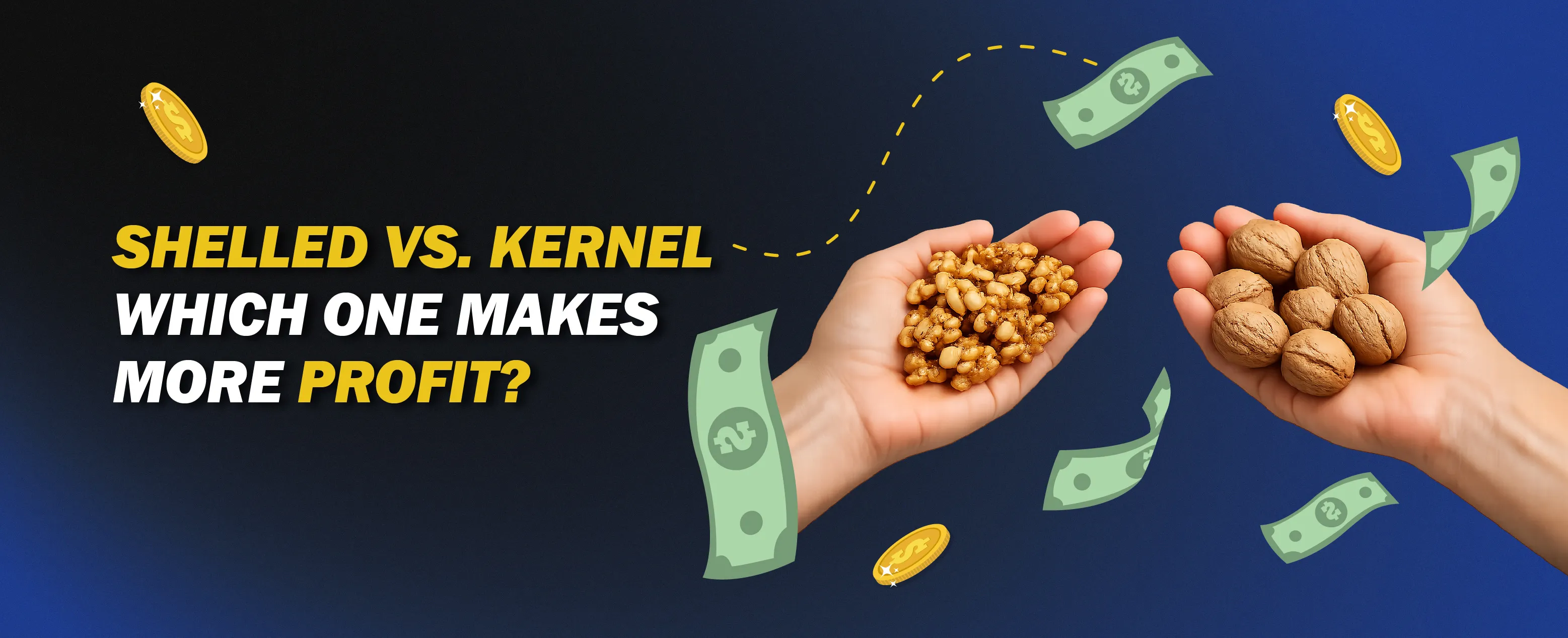
2025 is shaping up to be a pivotal year for the walnut trade. With the global market valued at approximately $8.5 billion, traders and exporters are asking a key question: Which format — shelled kernels or in-shell walnuts — brings higher profit? This article explains the economic dynamics, price dr
Demurrage and detention fees have become one of the biggest hidden costs in global shipping. Whether you trade nuts, spices, seeds, machinery, or consumer goods, D&D charges can quietly destroy your profit margin before your cargo even leaves the port.
The global nut industry is growing rapidly, but competition is also getting tougher. To succeed, exporters and traders need more than just high-quality products, they need a clear understanding of markets, strong logistics, and strategic planning.
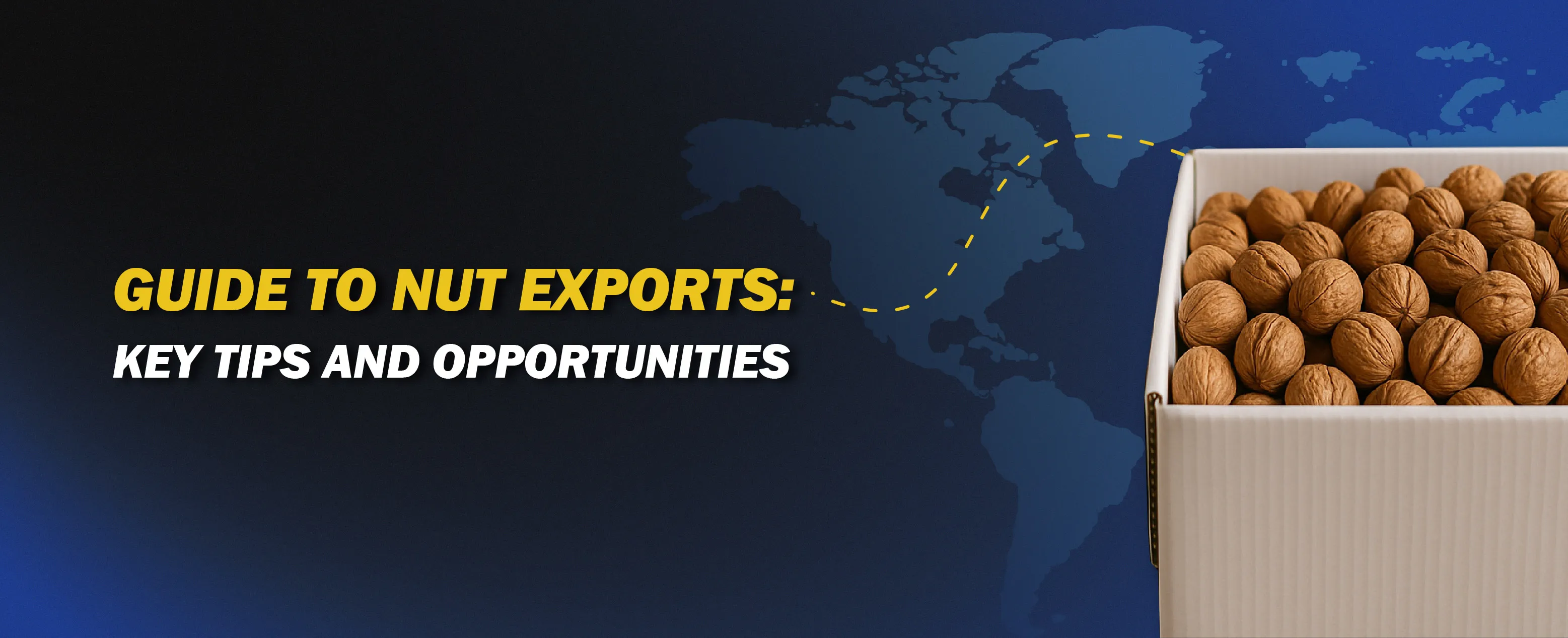
Nut exports are one of the most dynamic sectors in the global market. Products like almonds, walnuts, and lentils have high demand internationally, and exporters with the right strategy can secure a significant share of these markets.
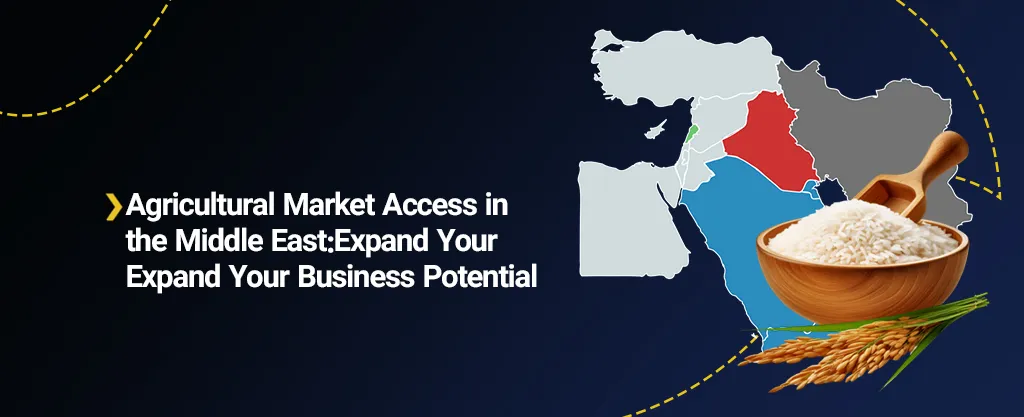
The Middle East and North Africa (MENA) region has more than 578 million inhabitants and relies heavily on foods that are not produced within the area.

Discover the top agricultural inspection services in 2025, ensuring safety, freshness, and compliance with global standards for farm exports, including Momex's innovative solutions.
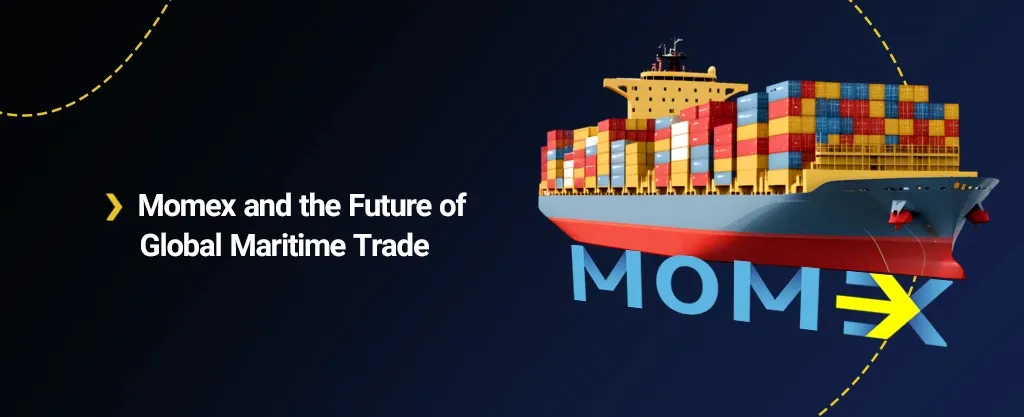
In a modern, connected world, international trade is evolving in new digital concepts.

People increasingly desire food and nuts globally as they are concerned with their health, such as plant-based foods, and consume various foods from various locations.
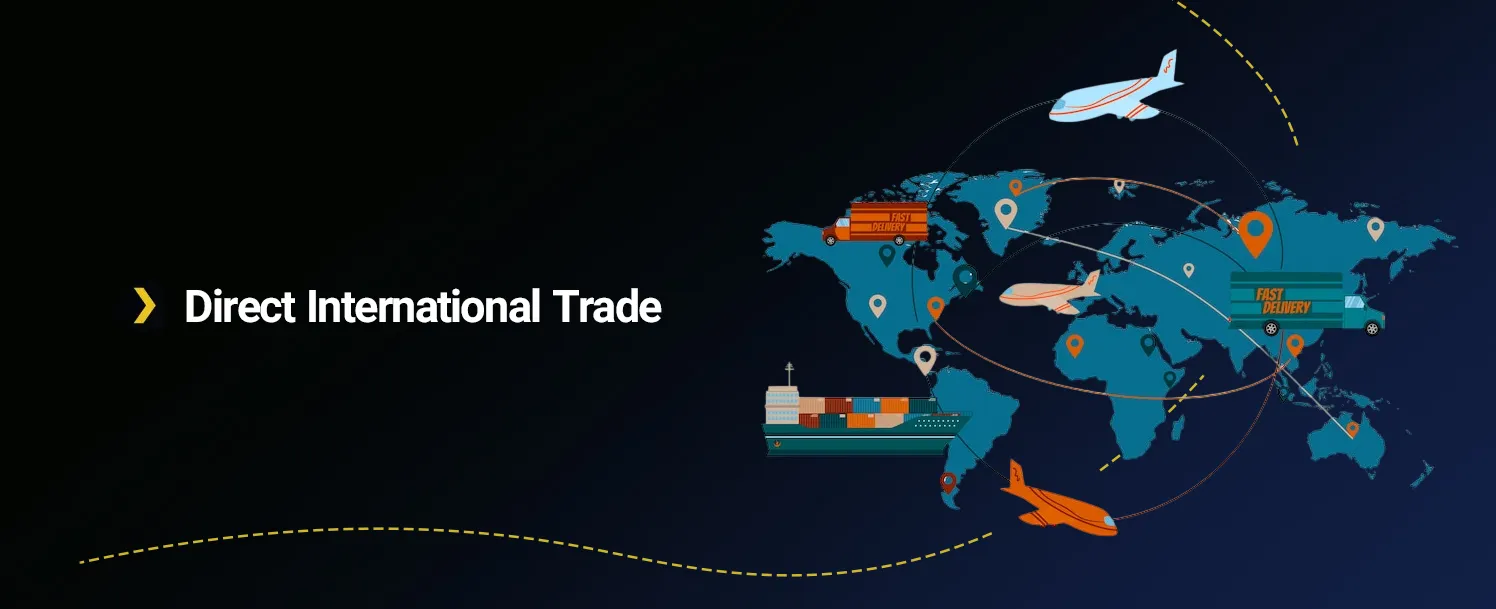
Discover how companies can boost revenue and reduce costs through direct international trade. Learn the pros, cons, and how online platforms simplify global B2B connections.